nutrition
Managing GLP–1 Side Effects: How Fiber Can Help with Constipation
- By Carolina Schneider, MS RD
- Updated: March 2026

Starting a GLP–1 medication is a meaningful step in your health journey. These medications can be helpful tools for managing weight and blood sugar, but they often come with digestive side effects that catch people off guard.
If things have been moving a little slower than usual in the digestion department, you are not alone. Constipation is one of the most common GLP–1 side effects, affecting up to 24% of people taking semaglutide, according to the National Institute of Diabetes and Digestive and Kidney Diseases. But don’t worry! We are here to talk about the dynamic duo that can get things moving again: fiber.
Navigating GLP-1 side effects doesn't have to be a guessing game. Strategic nutrition choices, especially increasing your fiber intake, can make a real difference in how you feel. Let’s break down why GLP–1 medications cause constipation and how to get your digestion back on track with the right foods.
First things first: why is this happening? Understanding the “why” helps you fix the problem.
GLP-1 medications work in part by slowing down gastric emptying. In simple terms, this means food moves more slowly from the stomach into the intestines. This is great for feeling full and managing appetite, but it can sometimes slow down the entire digestive track a little too much. When digestion slows down, stool moves more slowly through your colon, and more water is absorbed from it. The result? Stool can become firmer and harder to pass, leading to constipation.
Plus, because GLP-1s reduce appetite, you might naturally be consuming less volume and less fiber than before. Combined with slower digestion, it’s the perfect storm for a traffic jam.
Fiber is one of the most effective natural remedies for constipation, and it is especially important when you are on a GLP–1 medication. But not all fiber works the same way. Understanding the two main types helps you build a strategy that actually works.
Soluble Fiber: Soluble fiber dissolves in water to form a gel-like substance. It’s gentle and great for softening things up. Found in oats, apples, lentils, chia seeds, and psyllium husk.
Insoluble Fiber: Insoluble fiber adds bulk (“roughage”) to stool to help move things along through the digestive tract. Found in whole grains, broccoli, almonds, carrots, and fruit skins.
The Dietary Guidelines for Americans recommend 25 to 30 grams of fiber per day for most adults. Most Americans average only about 15 grams daily.
When you are on a GLP–1 medication and eating less food overall, hitting that fiber target takes more intention. Here is a practical framework:
Week one: Add 5 grams of fiber per day above your current intake
Week two: Add another 3 to 5 grams
Week three and beyond: Continue increasing gradually until you reach 25 to 30 grams daily
Track your intake for the first few weeks if it helps. Pay attention to how your body responds, and adjust your pace based on comfort. Consistency matters more than speed.
When your appetite is reduced, every bite counts. These high-fiber foods pack a lot of nutritional value into smaller portions, making them ideal for people on GLP–1 medications.
Berries are undeniably tasty and with such an array to choose from, the world of berry deliciousness seems infinite. Raspberries and blackberries are fiber superstars, packing around 8 grams per cup! They are gentle on the stomach and full of antioxidants.
These tiny seeds are mighty! One tablespoon of chia seeds provides about 5 grams of fiber. They are rich in soluble fiber and can absorb liquid, forming a gel that supports digestion. Start slowly and increase gradually with plenty of fluids.
There’s a reason oats are a breakfast staple. They contain beta-glucan, a type of soluble fiber associated with improved stool consistency and heart benefits. A half-cup serving provides about 4 grams of fiber.
Spinach, kale, and collard greens provide fiber and important micronutrients like folate and vitamin K. Cooked greens contain roughly 5 grams of fiber per cup.
We get it—tracking fiber intake can feel like another task. And when you’re navigating a new medication, you want things to be easy.
That is exactly why we curated our High-Fiber Collection. We’ve done the prepping so you don’t have to. Our chef-crafted smoothies, oat bowls, and Organic Seed + Fiber Blend make it effortless to hit your fiber goals.
Here are a few favorite options to help manage side effects:
Liquid nutrition is often easier to digest when you’re feeling sluggish.
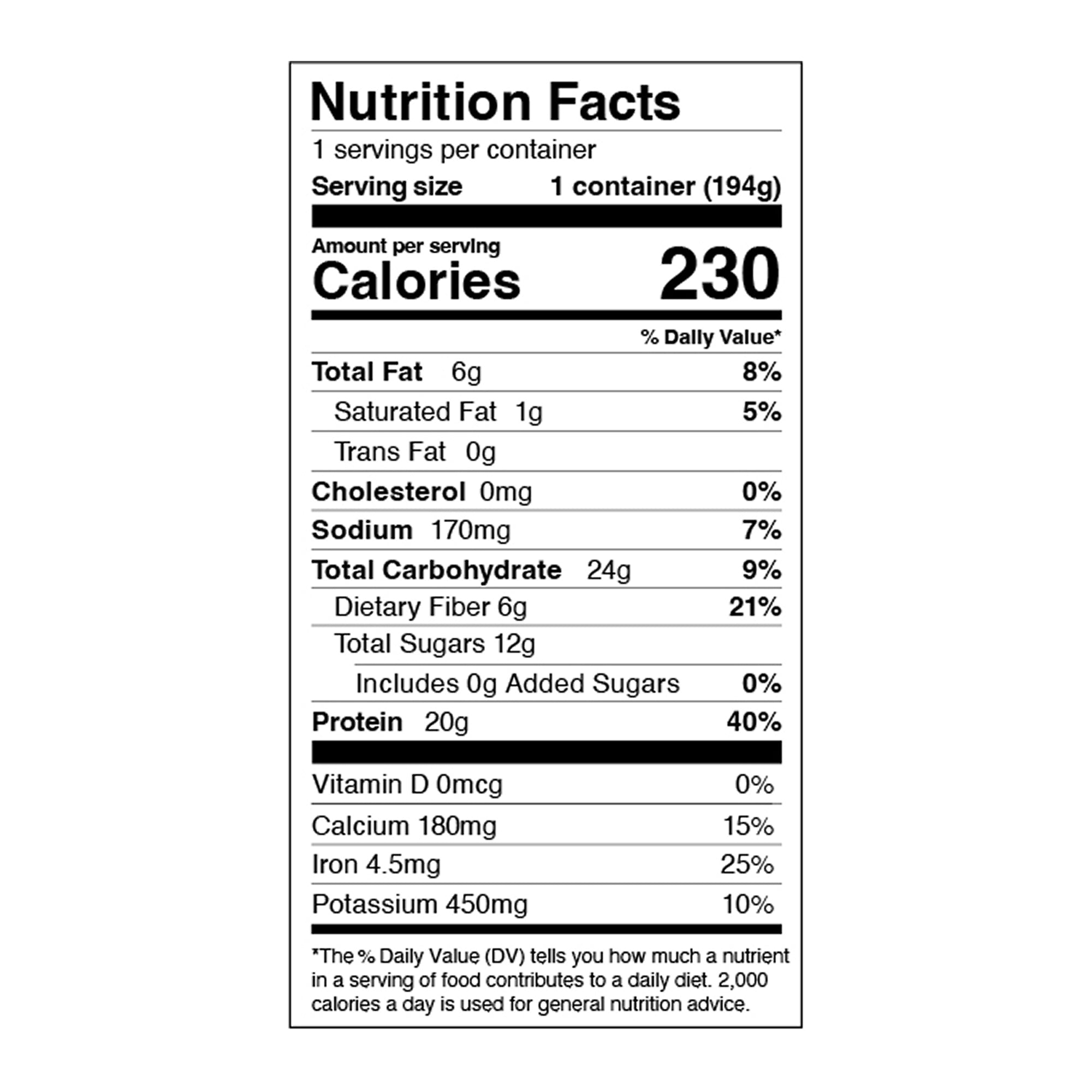
Mint + Cacao: 8 grams of fiber (29% DV), plus spinach for extra greens.
Dark Chocolate Protein: 11 grams of fiber—nearly 40% of your daily needs!
Explore more high-protein smoothies to match your goals.
Looking for an easy fiber fix? Try our Organic Seed + Fiber Blend, packed with flaxseed, chia seeds, and green banana flour. Add it to smoothies, oats, or yogurt for a quick boost. Pairing fiber with protein helps you feel fuller longer, too.
If you want a curated approach, check out the Nutrition Support Boxes, designed for GLP–1 users.
Ready to see what works for you? Build your box and customize it with smoothies, oat bowls, and add-ons that fit your routine.
Fiber needs water to do its job. Without enough fluids, increasing fiber can backfire. Think of fiber like a sponge—it needs water to expand and soften stool.
Here are some practical tips:
Drink water consistently throughout the day (at least 8 glasses).
Move your body—15–20 minutes of walking helps digestion.
Eat on a regular schedule, even if you're not very hungry.
Talk to your healthcare provider if constipation persists.
Adjusting to life on GLP-1s is a journey. By prioritizing fiber from fruits and vegetables, you can relieve constipation while nourishing your body with essential nutrients.
Start slow, add a little more fiber each day, and find the foods that make you feel good. Daily Harvest is here to make it deliciously easy.
No send now dates available at this time
Note on your existing order: You have an order currently being processed or in transit. Placing this order now won't affect that delivery.
DELIVERY RESCHEDULED! Your next order will arrive on: We'll alert you as soon as the box is confirmed. You'll continue to receive boxes every {{cadence}} after.Loading...