nutrition
GLP-1 Breakfast Ideas: 10 High-Protein Meals That Work
- By Carolina Schneider, MS RD
- Updated: April 2026

You're on a GLP-1 medication, and mornings feel different now. Your appetite may be lower, you may feel full sooner, and the breakfast you used to eat might not sit the same. That doesn't mean you should skip it.
Breakfast on a GLP-1 isn't about eating less. It's about eating smarter. A balanced morning meal can help you get essential nutrients, with protein to preserve your muscles, fiber to support digestion, and vitamins and minerals to keep your energy steady through the morning. These 10 breakfasts are designed with that in mind, and most of them are ready in under five minutes.
• A small study found that roughly 40% of weight lost on semaglutide comes from lean mass, including muscle.
• Including 20–30g of protein at breakfast can help support lean mass preservation.
• Studies show plant-based proteins like pea protein can deliver comparable muscle-building effects to animal protein, such as whey, when total protein intake is adequate.
• On low-appetite mornings, starting with liquid meals, like a smoothie, can be an easier way to get nutrients — and beats skipping breakfast entirely.
Weight loss with medications like semaglutide doesn’t just come from body fat—some muscle loss can happen too. A small study found that approximately 40% of the weight lost from taking semaglutide comes from lean mass, including muscle.
That’s where breakfast comes in.
Overnight, your body naturally breaks down muscle as part of the fasting period. Starting your day with protein helps support muscle repair and makes it easier to hit your daily protein needs, which is especially important when you’re eating less overall. Skip it, and you're missing an early opportunity to get protein in, making it harder to hit your daily target.GLP-1 medications like Ozempic, Wegovy, and Mounjaro slow gastric emptying and suppress appetite. That's the point, but it also means you're eating less overall. When total food intake drops, every bite matters more. A breakfast that delivers 20–30g of protein, dietary fiber, and key micronutrients sets a foundation that a granola bar or sugary coffee drink simply can't.
The good news? You don't need a large meal. You need a nutrient-dense one. And for a lot of GLP-1 users, that means something small, easy to digest, and ready in minutes.
A 2025 joint advisory published in the American Journal of Clinical Nutrition and narrative reviews recommend GLP-1 users consume 1.2–1.6 grams of protein per kilogram of body weight daily, with intake distributed evenly across meals. For most individuals, this translates to roughly 20–30g of protein per meal — enough to stimulate muscle protein synthesis and keep you satisfied through the morning.
Here's a simple formula to keep in your back pocket:
Protein anchor + fiber-rich carb + healthy fat + hydration.
That's it. A smoothie with pea protein, frozen fruits and veggies, and flax seeds. An oat bowl with banana or berries and nut butter. A tofu scramble with roasted vegetables and olive oil. Every one of those hits the formula without requiring a complicated recipe.
Think of each breakfast as having four parts. The protein anchor is the star: pea protein, tofu, eggs, or cottage cheese. The fiber-rich carb is your supporting player (oats, whole-grain bread, or frozen fruit). Healthy fats add staying power, like avocado, nut butter, hemp, chia, or flax seeds. And hydration ties it together with water, herbal tea, or the liquid base in your smoothie.
You don't need all four in perfect proportions every morning. But if your breakfast has at least two, you're already ahead of skipping the meal entirely.
A multidisciplinary expert consensus published in The Journal of Clinical Medicine reports that gastrointestinal (GI) adverse events affect 40–70% of GLP-1 users, with nausea being the most common complaint, particularly during dose escalation. Breakfast choices can make GI symptoms better or worse.
Foods to steer clear of in the morning:
Greasy, fried options like hash browns, bacon, and sausage are higher in fat and can slow digestion. Since your GLP-1 is already doing that, these foods can increase feelings of fullness, heaviness, or nausea.
Sugary cereals, pastries, and flavored coffee drinks tend to be low in fiber and high in added sugars. They can increase blood sugar levels and are unlikely to keep you full, leading to a sugar “crash” before you even hit lunchtime.
Very large portions of anything. Your stomach empties more slowly on GLP-1s. Smaller meals are easier to tolerate and less likely to trigger discomfort.
One more thing that's completely normal: taste aversions. Many GLP-1 users find that familiar foods (especially eggs and coffee) taste different on medication. If scrambled eggs suddenly seem unappealing, that's not unusual. It's a signal to try different protein sources, not to give up on breakfast.
These breakfasts are organized based on appetite and preference. Some are lighter and easier to get down, while others are more substantial. Start with what feels manageable and build from there. Every option delivers at least 15g of protein to help support your daily needs,
1. Plant-Based Protein Smoothie
Blend frozen fruit, a scoop of pea protein, a handful of spinach, and your favorite plant milk. You get 20g+ of protein in a format that can feel more manageable when a full meal sounds unappealing. This is the GLP-1 breakfast MVP. It shows up every morning, no questions asked.
2. Overnight Chia Pudding with Hemp Seeds + Berries
Stir 3 tablespoons of chia seeds into plant milk the night before. Top with hemp seeds (10g protein per 3 tablespoons) and frozen berries in the morning. This option combines fiber, healthy fats, and plant protein in a simple, prep-ahead format. Total protein: ~15g.
3. Protein Oat Bowl with Banana + Nut Butter
Cook rolled oats with plant milk and stir in a scoop of pea protein. Top with sliced banana and a tablespoon of almond butter. This combination provides high-fiber complex carbs, protein, and healthy fats for a balanced meal to keep you satisfied. Total protein: 20–24g.
4. Veggie Egg Muffins (Batch-Prep)
Whisk eggs with diced bell peppers, spinach, and mushrooms. Bake in a muffin tin, freeze, and reheat two at a time. Each muffin has about 7g of protein, and they reheat in 90 seconds. Pair with whole-grain toast for an extra fiber boost. Total protein: ~20g for three muffins.
5. Avocado Toast with Cottage Cheese
Whole-grain toast, a quarter avocado, and a generous scoop of cottage cheese on top. The cottage cheese adds ~14g of protein per half cup. Sprinkle with everything bagel seasoning, and you've got a satisfying breakfast in two minutes. Total protein: ~20g.
6. Savory Oatmeal with a Soft Egg + Spinach
Skip the sweetener. Cook oats with a pinch of salt, fold in wilted spinach, and top with a soft-boiled or poached egg. This combination pairs fiber with protein and iron in a warm, filling meal. Total protein: ~18g.
7. Tofu Scramble with Roasted Vegetables
Crumble firm tofu into a pan with turmeric, nutritional yeast, and whatever roasted vegetables you have on hand — peppers, zucchini, sweet potato. A half block of tofu delivers ~20g of plant-based protein. Make a big batch ahead and reheat portions throughout the week. Total protein: ~22g.
8. High-Protein Smoothie Bowl
Blend frozen açaí or mixed berries with pea protein and just enough liquid to keep it thick. Pour into a bowl and top with granola, coconut flakes, and sliced fruit. . Total protein: ~22g.
9. Greek Yogurt Parfait with Flax + Walnuts
Layer nonfat Greek yogurt with ground flax, walnuts, and berries. Greek yogurt packs about 15–20g of protein per cup, while flax and walnuts add omega-3s and fiber. For a dairy-free option, swap for a plant-based yogurt and add a scoop of pea protein. Total protein: ~22g.
10. Tropical Smoothie with Coconut + Protein Powder
Blend frozen mango, pineapple, coconut milk, and a scoop of plant-based protein powder. This is a lighter, easy-to-drink option when heavier foods aren’t appealing. Pour it into a to-go cup and sip on your commute. Total protein: ~20g.
Protein per Serving: All 10 Breakfast Ideas
|
Breakfast |
Protein |
|
Plant-Based Protein Smoothie |
~22g |
|
Overnight Chia Pudding |
~15g |
|
Protein Oat Bowl |
~22g |
|
Veggie Egg Muffins (×3) |
~20g |
|
Avocado Toast + Cottage Cheese |
~20g |
|
Savory Oatmeal + Egg |
~18g |
|
Tofu Scramble |
~22g |
|
High-Protein Smoothie Bowl |
~22g |
|
Greek Yogurt Parfait |
~22g |
|
Tropical Smoothie |
~20g |
These protein numbers will vary depending on ingredients, preparation method, and portion size.
Our take: From working with customers on GLP-1s, we've noticed that the most consistent breakfast habit isn't a specific recipe — it's having something pre-portioned and ready in the freezer. When appetite is low and energy is limited, even pulling out a pan feels like too much. The breakfasts that actually get eaten are the ones that require zero decisions.
A 2025 RAND survey on GLP-1 use in the United States found that about half of adults on GLP-1 agonists report experiencing nausea. And nausea in the morning, when your stomach is empty, can make breakfast feel like a challenge.
A helpful approach is to start simple:: something small, easy to consume, with nutrients.
A smoothie with protein, for example, can be an excellent option. It lets you get protein without needing a full meal. Even a smaller portion, like 10-15g of protein, is a meaningful start.
You can also experiment with temperature and timing Some people find that cooler foods, or spacing intake over time (like sipping a cold drink), feel more manageable than a large, solid meal. Other options, such as ginger and peppermint tea, are commonly used to help settle an upset stomach.
Most importantly, flexibility matters. On GLP-1 medications, your appetite cues will likely change. Some days you may feel up for a full breakfast, and other days you may not—and that’s ok. The goal is to make the most of what you can eat and get the most “bang for your buck” in nutrition.
Yes – plant-based breakfasts can absolutely meet your protein needs.
Research shows that plant and animal proteins can provide similar outcomes for muscle mass and strength when total protein intake is adequate. In other words, it’s less about the source and more about getting enough overall.
Plus, plant-based proteins have the added benefit of providing dietary fiber and other important nutrients that animal proteins may lack. Pea protein, in particular, is a complete protein source that provides all essential amino acids and offers a convenient, dairy-free option that fits many diets and lifestyles.
For people on GLP-1 medications, the format of protein matters too. Options that are easy to prepare and portion, like smoothies and oat bowls, can make it easier to get protein even when appetite is low.
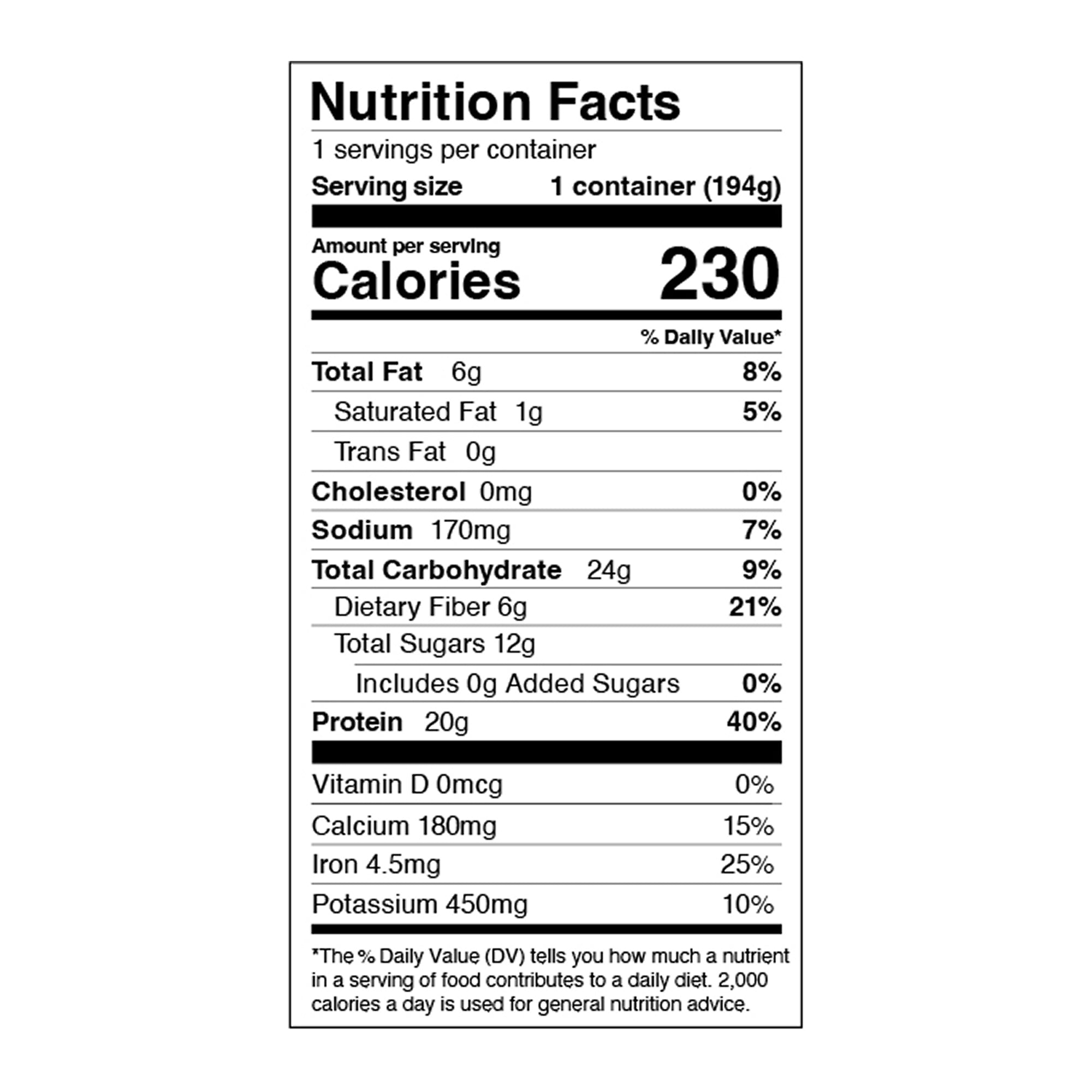
A Daily Harvest protein smoothie delivers 20g of plant-based pea protein per serving. Protein oat bowls pack 16–17g. Both are frozen at peak ripeness, pre-portioned, and ready in under five minutes — which solves the other half of the GLP-1 breakfast problem. It's not just about finding protein. It's about finding protein you can actually eat when your appetite is working against you.
Other plant-based protein sources worth keeping in your rotation: hemp seeds (10g per 3 tablespoons), chia seeds (5g per 2 tablespoons), tofu (20g per half block), nut butters (7–8g per 2 tablespoons), and nutritional yeast (8g per 2 tablespoons). Mix and match across the week for variety.
Variety keeps breakfast from becoming a chore. Here's a week of GLP-1-friendly breakfasts that rotate between smoothies, oat bowls, and savory options. Adjust portions up or down based on your appetite — these are starting points, not rules.
|
Day |
Breakfast |
Protein |
Prep Time |
|
Monday |
Plant-based protein smoothie (frozen berries + pea protein + spinach) |
~22g |
3 min |
|
Tuesday |
Overnight chia pudding with hemp seeds + blueberries |
~15g |
2 min (prepped night before) |
|
Wednesday |
Protein oat bowl with banana + almond butter |
~22g |
4 min |
|
Thursday |
Tofu scramble with roasted peppers (batch-prepped) |
~22g |
2 min reheat |
|
Friday |
High-protein smoothie bowl with granola + coconut |
~22g |
4 min |
|
Saturday |
Avocado toast with cottage cheese |
~20g |
3 min |
|
Sunday |
Savory oatmeal with a soft egg + spinach |
~18g |
5 min |
Notice the pattern: no morning takes longer than five minutes. Three of the seven days are smoothie-based for low-appetite flexibility. And every single day hits at least 15g of protein, with most clearing 20g.
If you're on a tighter dose-escalation schedule and nausea is heavier early in the week, front-load the smoothie and chia days. Save the savory options for when your appetite cooperates.
A balanced breakfast with protein, fiber, and healthy fats can help support energy levels and provide key nutrients to fuel your day. Protein smoothies, oat bowls, and egg muffins are top choices because they're easy to digest and quick to prepare.
Usually, yes. But some GLP-1 users report taste changes or increased acid reflux with coffee. If coffee feels harder to tolerate, you might try having it with food or adjusting the type (for example, cold brew vs. hot). Pay attention to how your body responds and adjust accordingly.
If coffee starts tasting metallic or off — that can happen with GLP-1 medications and isn’t typically a cause for concern.
A general recommendation is about 20–30g per meal. However, protein requirements are calculated based on factors like age, gender, and activity level. A recommends 1.2–1.6g of protein per kilogram of body weight daily, spread across meals. For a 150-pound person, that's roughly 82–109g per day — meaning each meal should contribute 25–35g.
The viral oat-water-lemon juice blend isn't harmful, but it's not a balanced breakfast either. It provides some fiber from the oats, but almost no protein. If you like the concept, upgrade it: blend the oats with a scoop of plant-based protein powder, some frozen fruit, and a tablespoon of flax. Now it's a real breakfast.
Breakfast on a GLP-1 comes down to one idea: make every bite work harder. You're eating less overall, so the meals you do eat need to deliver protein, fiber, and real nutrition — not just calories.
Start with whatever you can tolerate. A smoothie you sip slowly is a perfectly good breakfast. An oat bowl with protein stirred in takes four minutes. Batch-prepped tofu scrambles live in your freezer until you need them. The best GLP-1 breakfast is the one you'll actually eat, consistently, morning after morning.
If the prep itself feels like a barrier, that's worth solving too. Daily Harvest smoothies and protein oat bowls are pre-portioned, plant-based, and frozen at peak ripeness — pull one from the freezer, blend or heat, and you've got 16–22g of protein with zero planning required. On mornings when your appetite is low and your energy matches it, having clean food already waiting makes the difference between eating well and eating nothing.
No send now dates available at this time
Note on your existing order: You have an order currently being processed or in transit. Placing this order now won't affect that delivery.
DELIVERY RESCHEDULED! Your next order will arrive on: We'll alert you as soon as the box is confirmed. You'll continue to receive boxes every {{cadence}} after.Loading...