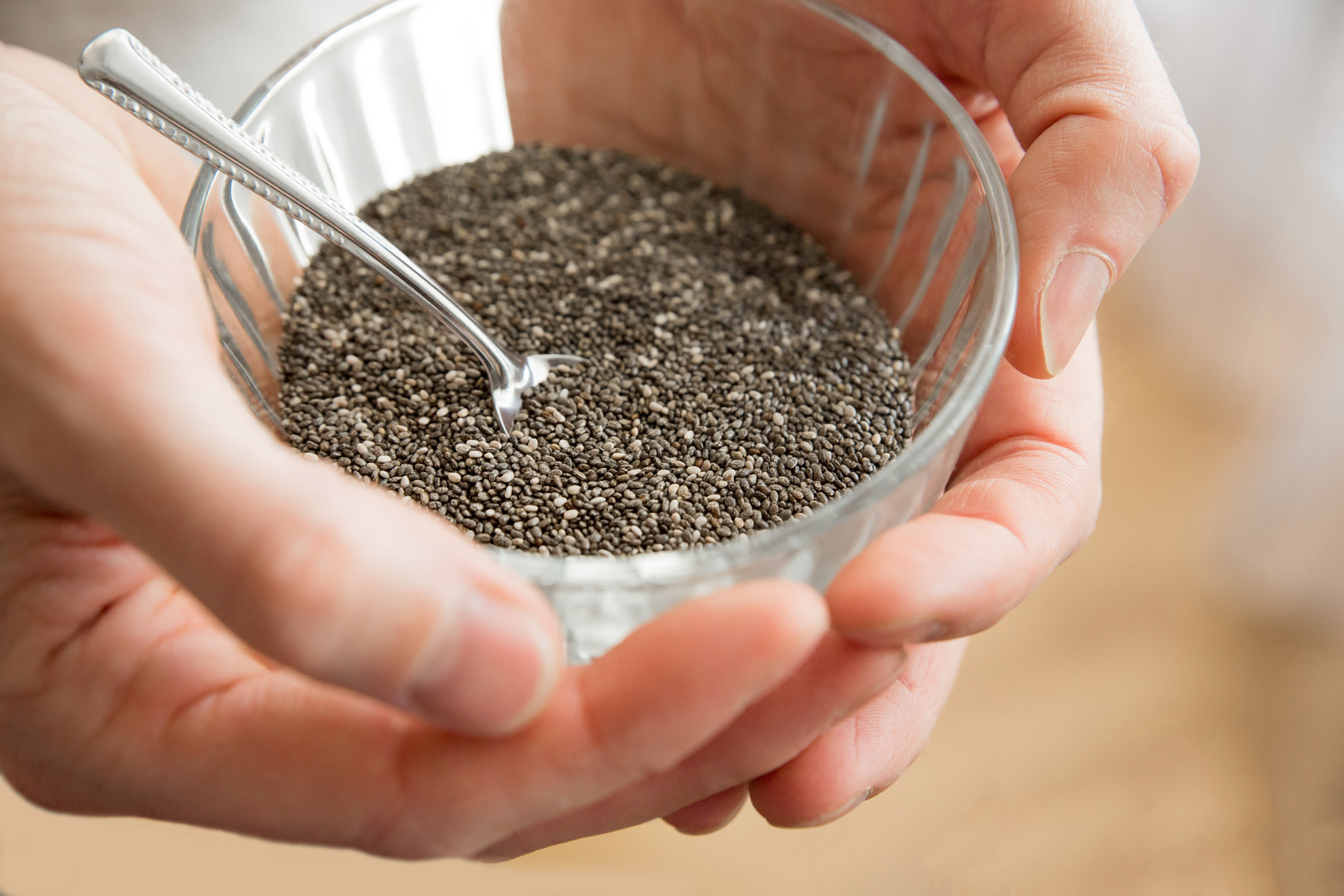
We’re well beyond the Chia Pet. It’s time chia seeds get a spot on your plate. The powerhouse seed is packed with everything you need for optimal digestive health, energy levels, and weight management.
Chia seeds pack some serious nutrition
A one-ounce serving of chia seeds (about 2 tablespoons) offers 5 grams of plant protein and 10 grams of fiber. You’ll also get a dose of zinc and a good source of iron, which is needed to carry oxygen through the body. Chia seeds are also loaded with calcium, a mineral that promotes strong bones and one that nearly 40% of Americans don’t get enough of. To top it off, chia seeds contain an essential type of fat: omega-3 fatty acids, specifically alpha-linolenic acid (ALA).
Understanding chia seed nutrition starts with a single serving. A one-ounce serving (roughly two tablespoons) contains a surprising amount of nutrition for such a small package. Here is the full breakdown, according to the USDA:
|
Nutrient |
Amount Per Ounce (28g) |
|
Calories |
138 |
|
Protein |
4.7 g |
|
Fat |
8.7 g |
|
Omega–3 (ALA) |
5 g |
|
Fiber |
9.8 g |
|
Carbohydrates |
12 g |
|
Calcium |
179 mg (14% DV) |
|
Iron |
2.2 mg (12% DV) |
|
Magnesium |
95 mg (23% DV) |
|
Phosphorus |
244 mg (20% DV) |
|
Zinc |
1.3 mg (12% DV) |
|
Manganese |
0.8 mg (35% DV) |
That fiber count is worth highlighting. Nearly 10 grams of fiber in just two tablespoons means a single serving covers roughly 35% of the recommended daily value. Most Americans get only about 15 grams of fiber per day, about half the recommended amount of 25–30 grams. Two tablespoons of chia seeds close that gap fast.
Chia seeds also provide all nine essential amino acids, making them a complete protein source. That is uncommon for plant-based foods, and it makes them especially valuable for anyone eating a plant-based or dairy-free diet.
Chia seeds offer phytochemicals
But that’s just the tip of the iceberg when it comes to chia seed nutrition. In addition to essential fats, protein, fiber, and minerals –– chia seeds also bring phytochemicals to your table (caffeic acid, chlorogenic acid, myricetin, kaempferol, and quercetin to be exact). These compounds are natural antioxidants that help scavenge free radicals and keep cells healthy.
Chia seed benefits
Science doesn’t lie: Chia seeds have health benefits. Also known as Salvia Hispanica L, chia seeds help improve blood sugar, blood pressure, cholesterol, and hunger management. Research also finds ALA, the omega-3 fatty acid found in chia, promotes both heart health and brain health.
How to Eat Chia Seeds: 6 Easy Methods
One of the best things about chia seeds is how little effort they require. No cooking, no soaking (unless you want to), and no complicated prep. Here are the most practical ways to add chia seeds to your routine.
Make a Chia Seeds Smoothie
A chia seed smoothie is one of the fastest ways to capture the full range of chia seed benefits in a single meal. Blend one to two tablespoons of chia seeds into your morning smoothie. They add fiber, protein, and omega–3s without changing the flavor. The seeds blend down into the liquid so you will not notice any texture change in a well-blended smoothie.
This is one of the easiest ways to get chia seeds into your day, especially if you are already blending up frozen smoothies as part of your routine.
Make Chia Seed Pudding
Chia seed pudding is one of the simplest healthy breakfasts or snacks you can make. Combine two tablespoons of chia seeds with half a cup of milk (oat, almond, coconut, or dairy all work), stir well, and refrigerate for at least four hours or overnight.
The seeds absorb the liquid and create a thick, creamy chia seed pudding. Top with fresh berries, a drizzle of honey, or a handful of granola. You can also add cocoa powder or vanilla extract to the liquid before refrigerating for different flavor variations.
Sprinkle Over Oatmeal or Breakfast Bowls
Scatter a tablespoon of chia seeds over your morning oat bowl. They add crunch when dry and a subtle gel texture as they absorb moisture from the oatmeal. Either way, you get a fiber and protein boost with zero extra prep.
Stir Into Yogurt
Mix chia seeds into yogurt and let them sit for 10 to 15 minutes. The seeds soften slightly and add a tapioca-like texture that pairs well with fruit and granola.
Use as an Egg Substitute in Baking
For plant-based baking, chia seeds make an effective egg replacement. Mix 1 tablespoon of ground chia seeds with 3 tablespoons of water, stir, and let it sit for 5 minutes until it forms a gel. Use this “chia egg” in place of one regular egg in pancakes, muffins, and quick breads.
Add to Water or Juice
Stir one to two tablespoons of chia seeds into a glass of water or juice and let them sit for 10 minutes. The seeds form a gel that makes the drink slightly thicker. Some people find this is the easiest way to get chia seeds into their diet, especially for an afternoon snack. A squeeze of lemon or lime adds flavor.

Chia Seeds vs. Flax Seeds: What Is the Difference?
Both chia and flax are nutritional powerhouses, but they have a few key differences.
|
Chia Seeds |
Flax Seeds |
|
|
Fiber (per oz) |
9.8 g |
7.6 g |
|
Omega–3 ALA (per oz) |
5 g |
6.4 g |
|
Protein (per oz) |
4.7 g |
5.1 g |
|
Prep needed |
None (eat whole) |
Better consumed in ground form |
|
Shelf life |
4–5 years |
6–12 months (ground) |
The biggest practical difference: Flax seeds are best consumed ground, since grinding helps release healthy fats and improves nutrient absorption. Chia seeds can be eaten whole and your body still gets the full benefit. That convenience factor, combined with the broader chia seeds benefits for heart and digestive health, makes them an easy and healthy addition to your diet.
Both chia and flax seeds are excellent additions to a diet, and provide an array of nutrients and healthy fats.
We take care of food so food can take care of you. Stock up on our deliciously nourishing chia seed bestsellers on daily-harvest.com.
Sources