

ingredients
Everything You Want to Know About Almonds
- By Carolina Schneider, MS RD
- Updated: January 2025
Did you know there are different types of almonds?

People have been eating almonds for a really long time -- they’ve been around since 1400 BC and were eaten in ancient civilizations like Rome and Greece. Today, the majority of almonds eaten around the world come from California. The state provides about 80% of the world’s almond supply. Pretty impressive.
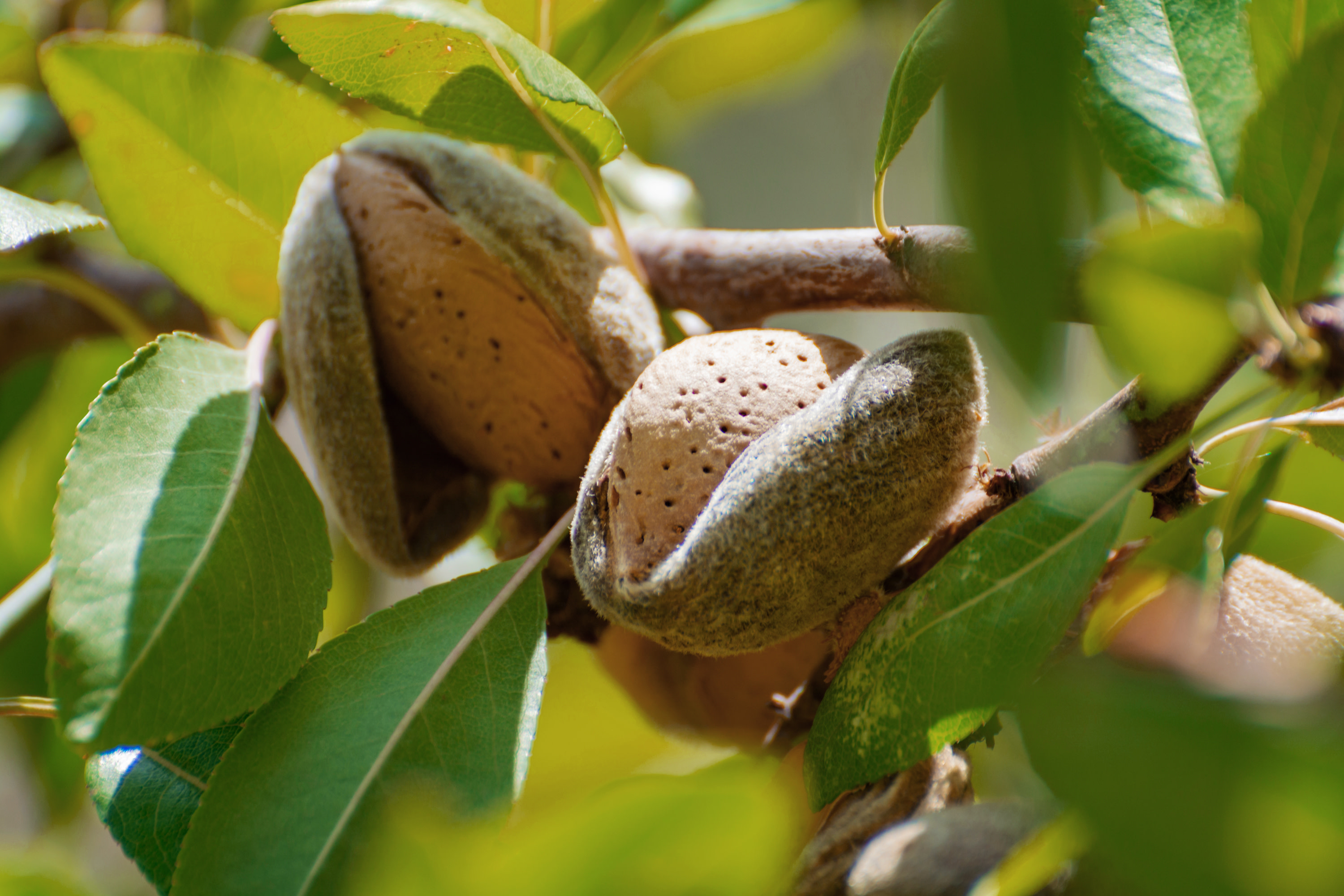
Almonds grow on trees and thrive in a Mediterranean climate, which just so happens to make California perfect for almond growing. Almond trees bloom around the middle of February into mid March. This is the time when little white and pink flowers bloom from the trees and almond kernels start to grow and mature. They keep growing throughout the summer, and by August, it’s time to start harvesting the nuts.
But, if we’re being technical, let’s be technical: almonds aren’t actually nuts. Botanically, almonds are seeds inside a fruit, also known as a drupe. (But we’ll just keep calling them nuts, thank you very much.)
There are about 30 different types of almonds grown in California and about 10 different varieties make up the majority of almonds people eat around the world. The two main types of almonds are Nonpareil and Mission. Nutritionally, these almonds are all pretty similar so no need to stress about getting the most nutritious type of almond.
There are also so many different forms of almonds -- whole, sliced, slivered and chopped. Almonds can be raw, roasted, or blanched -- blanched almonds are nuts soaked in hot water to remove the skin. You can also find almond flour, almond milk, almond oil and almond butter. Overachieving nut? You bet, but we’re here for it and love using almonds in all the ways.
Ready to eat some almonds? Find this nut in the Daily Harvest Blueberry + Cacao Smoothie
We take care of food so food can take care of you. Stock up on our deliciously nourishing almond bestsellers on daily-harvest.com.
Sources
No send now dates available at this time
Note on your existing order: You have an order currently being processed or in transit. Placing this order now won't affect that delivery.
DELIVERY RESCHEDULED! Your next order will arrive on: We'll alert you as soon as the box is confirmed. You'll continue to receive boxes every {{cadence}} after.Loading...


