nutrition
Food You May Want to Avoid While Taking Ozempic
- By Carolina Schneider, MS RD
- Updated: February 2026
Starting a GLP-1 medication like Ozempic, Wegovy, or Mounjaro is an exciting step toward your health goals. But while the medication is an important part of the process, your diet plays a key role too. You might notice your body responding differently to certain foods, and it’s important to pay attention to those signals.
One of the biggest challenges is figuring out which foods work well with your new routine and which ones may worsen symptoms like nausea, bloating, or indigestion. If you’re feeling unsure, don’t worry—we’re here to help.
Let’s break down some foods you may want to limit while on Ozempic and how to build a balanced, feel-good eating plan. Plus, we’ll introduce some easy, delicious meal options to make the process stress-free.
GLP-1 medications work in part by slowing the rate at which your stomach empties. This helps you feel full longer, reduces calorie intake, and supports weight management. But because food stays in your stomach longer, some people may experience bloating, nausea, or discomfort. Certain food choices, such as greasy, ultra-processed and heavy meals, might worsen these symptoms for some individuals.
The goal isn’t strict avoidance, but learning how to prioritize nutrient-dense, easier-to-digest foods, and noticing what feels best for your body. Let’s take a look at foods and food patterns that might not sit well and some Ozempic-friendly alternatives.
Foods high in fat, particularly those high in saturated fats, like fried foods, fatty cuts of meat, or heavy cream-based sauces, may be harder to tolerate.
Why limit them?
Fat takes longer to digest than other macronutrients. Because Ozempic slows gastric emptying, high-fat meals can increase feelings of fullness, and for some people, contribute to nausea, bloating or discomfort, especially when consumed in larger portions.
What to eat instead:
Go for lean proteins like beans, lentils, tofu, grilled chicken, or egg whites. Prioritize healthy fats in moderation, like a slice of avocado or a drizzle of olive oil.
Why limit them?
Foods high in added sugars often lack essential nutrients like fiber and protein, which can make them less satisfying. When your appetite is already low, it’s important to make nutrient-rich choices, and sugary foods can add calories without much nutritional benefit.
What to eat instead:
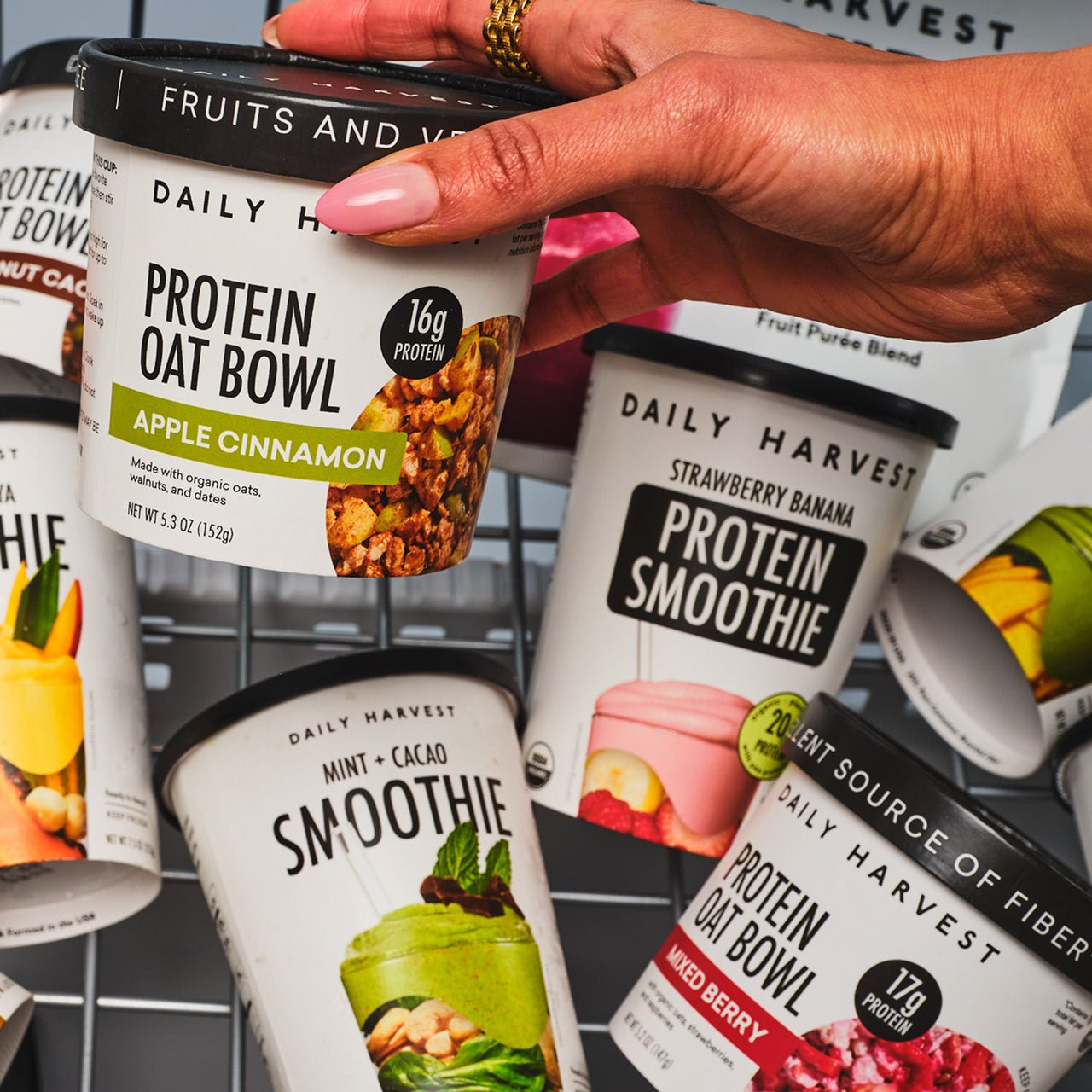
Craving something sweet? Try whole fruits like berries and grapes, or sip on a dark chocolate smoothie sweetened with dates. For breakfast, instead of sugary cereals and granola, try a high-protein oat bowl. These options offer natural sweetness along with fiber to support digestion.
Highly processed foods – such as packaged snacks and refined grains – lack essential nutrients and are not associated with a healthy diet.
Why limit them?
These foods are often higher in added sugars, sodium, and saturated fat, and lower in fiber and key nutrients. When appetite is reduced on GLP-1 medications, these foods can take valuable “stomach space” without providing the nutrients that support overall health.
What to eat instead:
Prioritize minimally processed foods like fruits, vegetables, and whole grains like oats, quinoa, brown rice, and whole-grain bread. These foods support energy levels and provide fiber to support gut health.
Sugar-sweetened beverages such as soda, sweetened teas, lemonades, sports drinks, and sugary coffee beverages, can negatively affect blood sugar levels and make weight management more challenging for some people.
Why limit them? These drinks provide added sugars with little to no nutrients. Because they’re quickly absorbed and don’t promote fullness, they can add calories without making you satiated.
What to drink instead:
Stick with water and unsweetened beverages like coffee and tea, and fruit and veggie smoothies that are naturally sweetened with fruits such as berries and dates. Add flavor to your water with lemon, cucumber, or fresh herbs like mint.
Big portions or very heavy meals can feel uncomfortable for anyone, but especially if you’re on Ozempic.
Why limit them?
GLP-1 medications slow gastric emptying and increase feelings of fullness. As a result, large meals can stay in the stomach longer and may contribute to discomfort and stomach distention.
What to do instead:
Eat smaller, more frequent meals throughout the day. Pay attention to your body’s fullness cues and stop when you feel satisfied, not stuffed.
Feeling overwhelmed by the idea of perfectly balanced meals? That’s why we created the Daily Harvest GLP-1 Support Box—a collection of nutrient-dense, pre-portioned meals designed specifically for this journey.
Packed with Fruits + Veggies: Meals are made with fiber-rich, plant-based ingredients to support digestion.
Clean Ingredients: No additives, refined sugars, or hard-to-digest fillers—just real, wholesome food.
Pre- Portioned: Single-serving cups can help you better portion your meals.
Ready in Minutes: Everything is frozen and prepped for ultimate convenience.
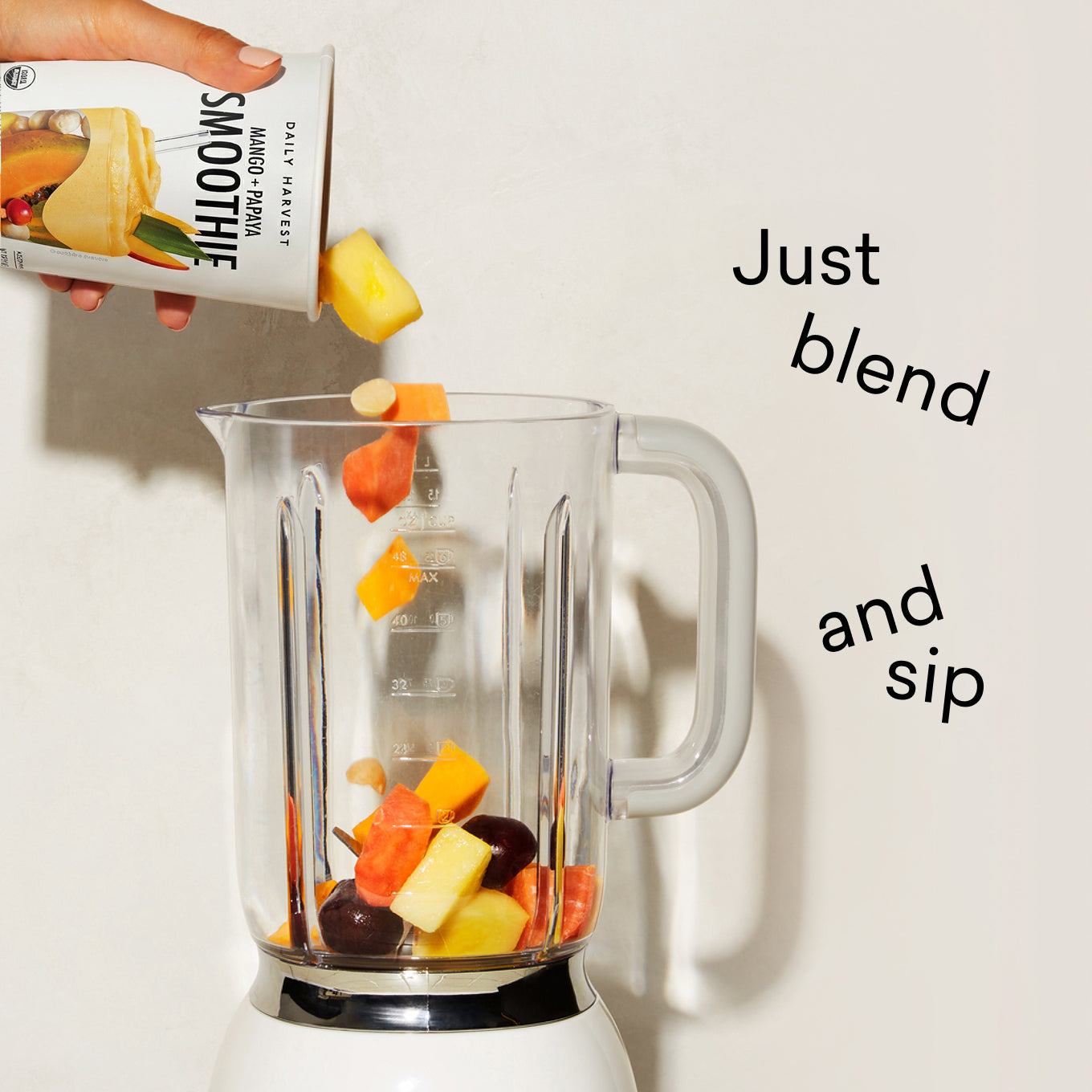
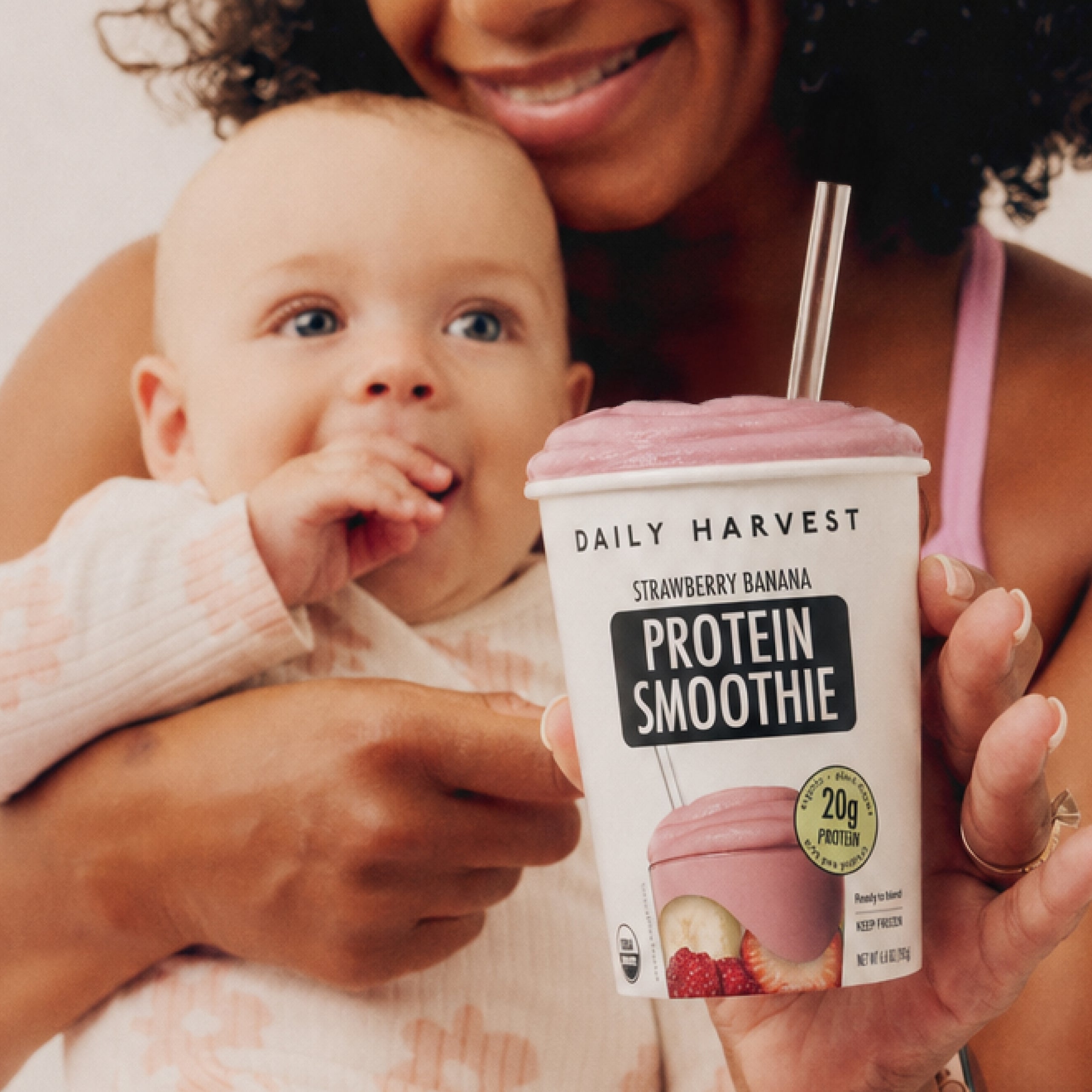
This collection of GLP-1-friendly smoothies is your go-to for delicious, stress-free eating.
The most important tip? Listen to your body. Everyone’s experience is unique, so take note of what works for you. Keep a food journal to track meals and how they make you feel, and consult with a healthcare professional when making changes to your diet.
Navigating foods on Ozempic is about finding what nourishes your body while avoiding discomfort. With the right choices—and a little help from Daily Harvest—you can stay on track with your health goals and enjoy every bite.
When would you like your next delivery?
Note On Your Existing Order
Order #{{number}} for your most recent box has already been processed and is still scheduled to arrive {{date}}.
Note On Your Pending Placement Order
Your pending placement order is still scheduled to arrive {{date}}.
I understand Save CancelYou must meet the minimum order requirements for the box to ship. Add your replacement item(s) first and then try deleting this again.
Check out everything we have to offer, or start with a set of our customer favorites
Shop Best SellersLoading...