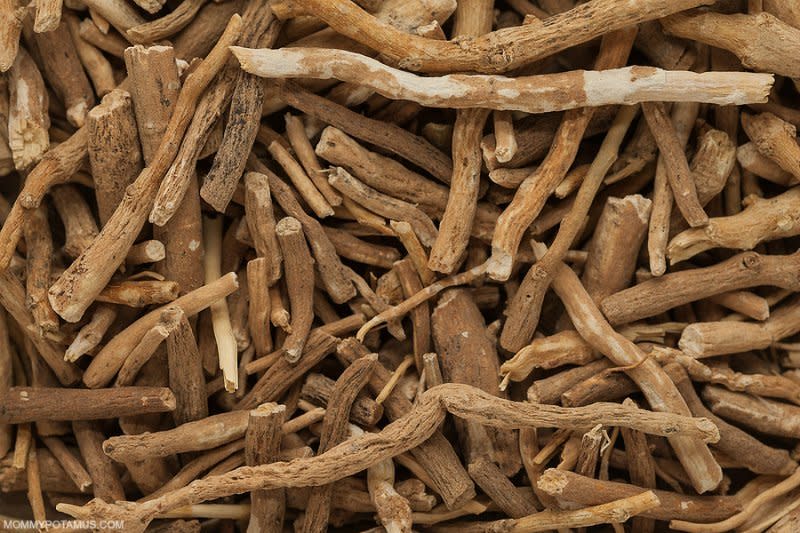
Ashwagandha is a small shrub, also known as “Indian winter cherry” or “Indian ginseng.” Its roots and leaves are used to make ashwagandha powder or extract. Ashwagandha has been used as an herbal remedy for centuries.
Ashwagandha is a small shrub, also known as “Indian winter cherry” or “Indian ginseng.” Its roots and leaves are used to make ashwagandha powder or extract. Ashwagandha has been used as an herbal remedy for centuries.
Key Takeaways
Ashwagandha benefits include a clinically demonstrated 41% reduction in anxiety levels after 60 days of use, with typical effective doses ranging between 250 and 600 milligrams daily — this makes ashwagandha one of the most researched adaptogens in Ayurvedic medicine, with the NIH confirming it significantly reduces both stress and cortisol levels compared to placebo
One clinical trial reported a 72% increase in self-reported sleep quality among participants taking ashwagandha, alongside improved mental alertness during waking hours — the benefits of ashwagandha for sleep are distinct from sedative supplements because it addresses the root stress response rather than simply inducing drowsiness
A Frontiers in Nutrition meta-analysis of 13 studies confirmed ashwagandha improves muscular strength, power, cardiorespiratory endurance (VO2 max), and recovery time in athletes — this multi-study evidence base positions ashwagandha as a legitimate athletic performance supplement, not a single-trial claim
Ashwagandha compounds demonstrate neuroprotective effects that shield brain cells from oxidative stress, while also showing potential to support thyroid function and hormonal balance — consult a healthcare provider before starting ashwagandha, as it may interact with medications for diabetes, blood pressure, and immunosuppressants
What is Ashwagandha?
Ashwagandha is a small shrub, also known as “Indian winter cherry” or “Indian ginseng.” Its roots and leaves are used to make ashwagandha powder or extract. Ashwagandha has been used as an herbal remedy for centuries. Praised for its potential medicinal benefits and it is central in Ayurveda, a traditional Indian system of medicine.
Ashwagandha is one of the most popularadaptogensfor several reasons. These powerful herbs are thought to counteract stress in the body and improve overall health.
What are the Benefits of Ashwagandha?
There are 4 key benefits that ashwagandha can have on our mind and body. Let’s get into them:
Reducing stress and anxiety.Ashwagandha is most known for its positive impact on managing stress and anxiety, and there’s research to back it up. In onestudyparticipants who received ashwagandha instead of a placebo saw a 41% reduction in anxiety levels after taking ashwagandha for 60 days. Otherresearchhas concluded ashwagandha can help improve a person’s resistance to stress and quality of life. Cheers to that!.
Improving sleep quality.Raise your hand if you get enough sleep (anyone?). Ashwagandha might be able to help with that.Researchfinds that taking ashwagandha can lead to a significant increase in quality of sleep and mental alertness when you’re awake. Onetrialfound participants who received ashwagandha reported a 72% increase in sleep quality. Better sleep can lead to better overall health. Sounds like a win-win.
Boosting athletic performance.Athletes, listen up. Onemajor reviewthat looked at results from 13 different studies found that ashwagandha helped improve strength, power, and cardiorespiratory fitness in athletes. Ashwagandha also aided in reducing fatigue and optimizing recovery. Researchers think this is thanks to its antioxidant properties. Time to hit the gym!
Promoting brain health.Ashwagandha might be helpful for our brains.Studiesshow the compounds in ashwagandha have a neuroprotective effect and can help protect brain cells from oxidative stress and promote brain health. Yup, ashwagandha isliterallybrain food.
How to Use Ashwagandha
You can find ashwagandha in supplemental form or use it as a functional ingredient in cooking or baking (always talk to your healthcare provider before beginning any type of supplement regimen). In the kitchen, add small amounts of ashwagandha to recipes like energy bites, smoothies, or lattes (it has a strong taste so a little goes a long way).
P.S: Always talk to your healthcare provider before beginning any type of supplement regimen.
Sources
Important notes: Unless otherwise noted, nutrition information is sourced from USDA FoodData Central and reflects the reference amount customarily consumed. These are standardized servings and not necessarily the amount present in the highlighted Daily Harvest recipes. Nutrition information for Daily Harvest products can be found on packages and under "Nutrition Facts" for each product at "daily-harvest.com". Vitamin and mineral functions are sourced from Linus Pauling Institute Micronutrient Information Center.
Related articles
ingredients
4 Reasons Why Chickpeas are the Perfect Plant-Based Protein
By Carolina Schneider, MS RDUpdated:
It’s common to think you can’t get enough protein on a plant-based diet, but there are plenty of good sources of plant protein out there. Chickpeas, also called garbanzo beans, are a nutritious source of plant-based protein and a healthy food to always have on-hand. They make plant-based eating easy and convenient.
ingredients
How Do Blueberries Grow?
By Carolina Schneider, MS RDUpdated:
nutrition
Why Breakfast Is Good for You
By Carolina Schneider, MS RDUpdated:
The information provided on Daily Harvest’s website, emails, social media, or any other platform should not be construed as medical or nutritional advice, diagnosis, or treatment. Please consult with a qualified healthcare professional regarding your diet, including adopting a new eating plan or imposing dietary restrictions.
Thanks for the second chance
View BoxPlan settings
Change Next Delivery Date
When would you like your next delivery?
Note On Your Existing Order
Order #{{number}} for your most recent box has already been processed and is still scheduled to arrive {{date}}.
Note On Your Pending Placement Order
Your pending placement order is still scheduled to arrive {{date}}.
I understandSaveCancel
GET IT SOONER
Your order will be placed immediately with an estimatedarrival of:We'll alert you as soon as your order is confirmed. You'll continue to receive boxes every {{cadence}} after.
Need to cancel? Contact Care.PLACE ORDEREDIT BOXCANCELProcessing...
DELIVERY RESCHEDULED!
Your next order will arrive on:We'll alert you as soon as the box is confirmed. You'll continue to receive boxes every {{cadence}} after.
Order #{{number}} for your most recent box has already been processed and is still scheduled to arrive {{date}}.
Note On Your Pending Placement Order
Your pending placement order is still scheduled to arrive {{date}}.
I understandSaveCancel
GET IT SOONER
Your order will be placed immediately with an estimatedarrival of:We'll alert you as soon as your order is confirmed. You'll continue to receive boxes every {{cadence}} after.
Need to cancel? Contact Care.PLACE ORDEREDIT BOXCANCELProcessing...
DELIVERY RESCHEDULED!
Your next order will arrive on:We'll alert you as soon as the box is confirmed. You'll continue to receive boxes every {{cadence}} after.